Affiliate Disclosure: This post may contain affiliate links. As an Amazon Associate planeview.farm earns from qualifying purchases. This means I may receive a commission if you click on a link and make a purchase, at no extra cost to you. For more information see Terms of Service.
One of the biggest mistakes that any farm enterprise can make is specialization. There are too many farmers in the US that only do one thing. Honestly, specialization in only one or two markets has only been a common practice for the last 50 or 60 years. Prior to that, a single farm would have multiple enterprises running at one time.
Don’t put all of your eggs in one basket.
The old adage, “don’t put all of your eggs in one basket” is profoundly sound advice because if the bottom falls out of that one basket, all of your eggs end up on the ground.
So, while it is a good idea to have a centerpiece farm enterprise, you should also be working to develop secondary enterprises that will round out your operation. It’s the same principle that is used in investing, you don’t put all your money into one stock. If that company goes belly up, you’ve lost it all.
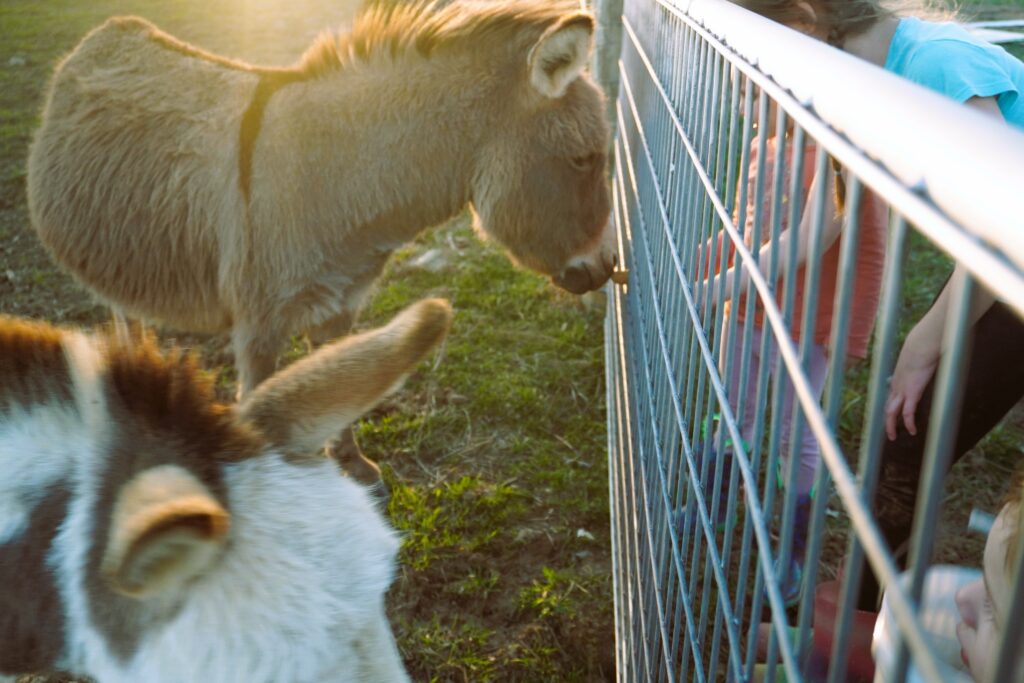
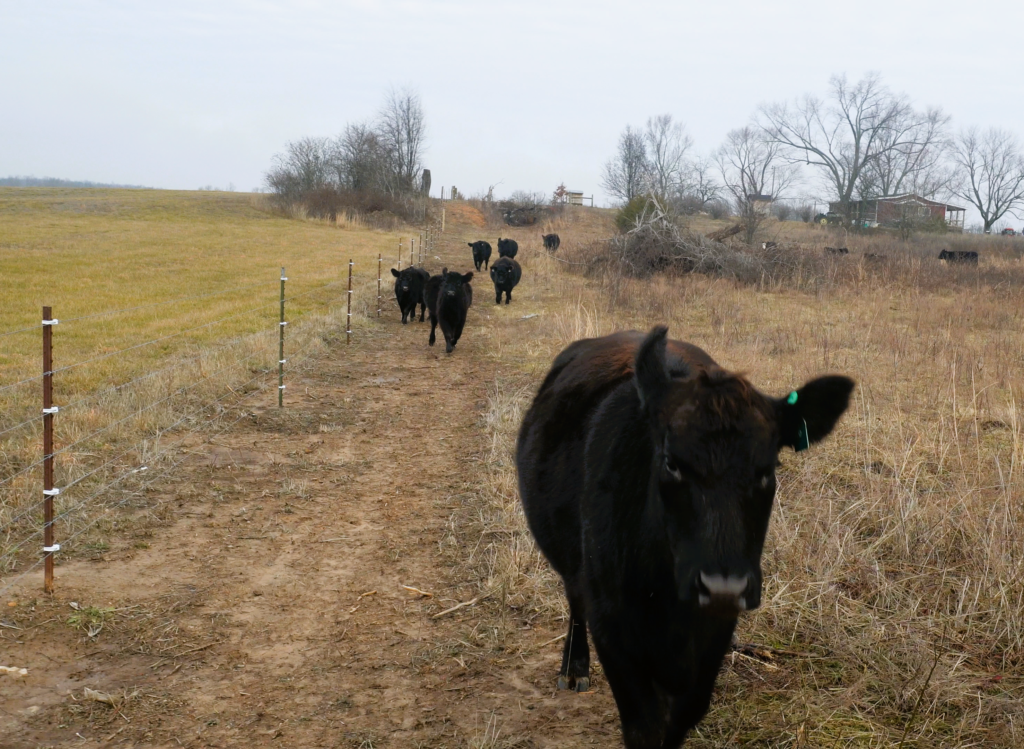
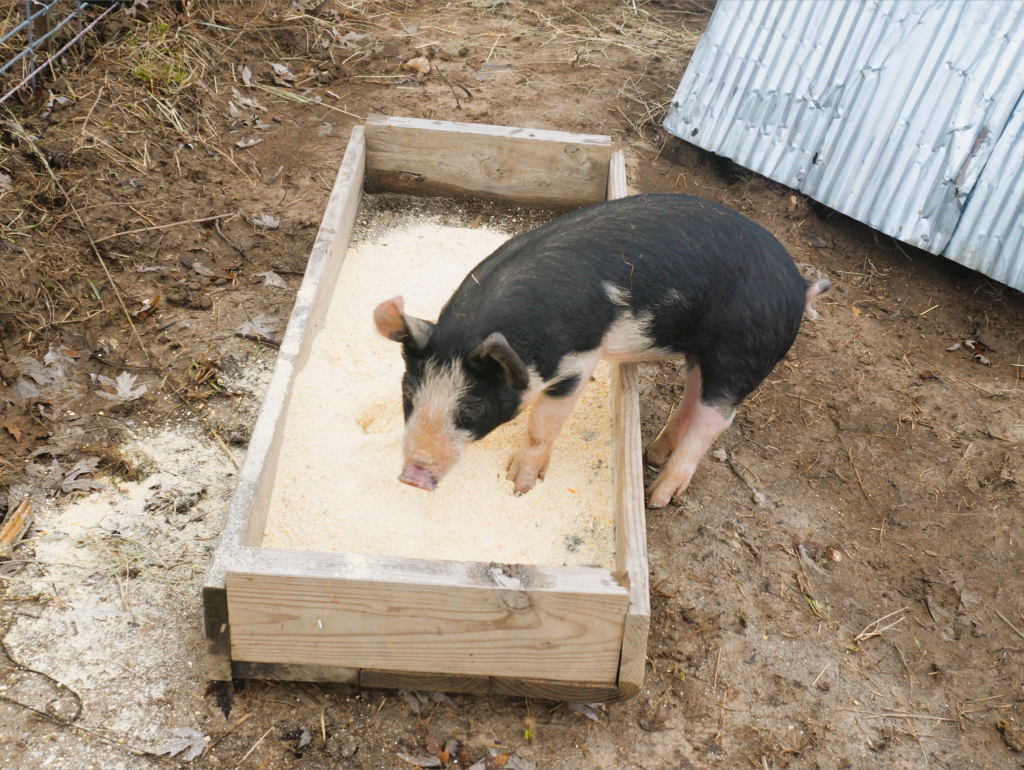
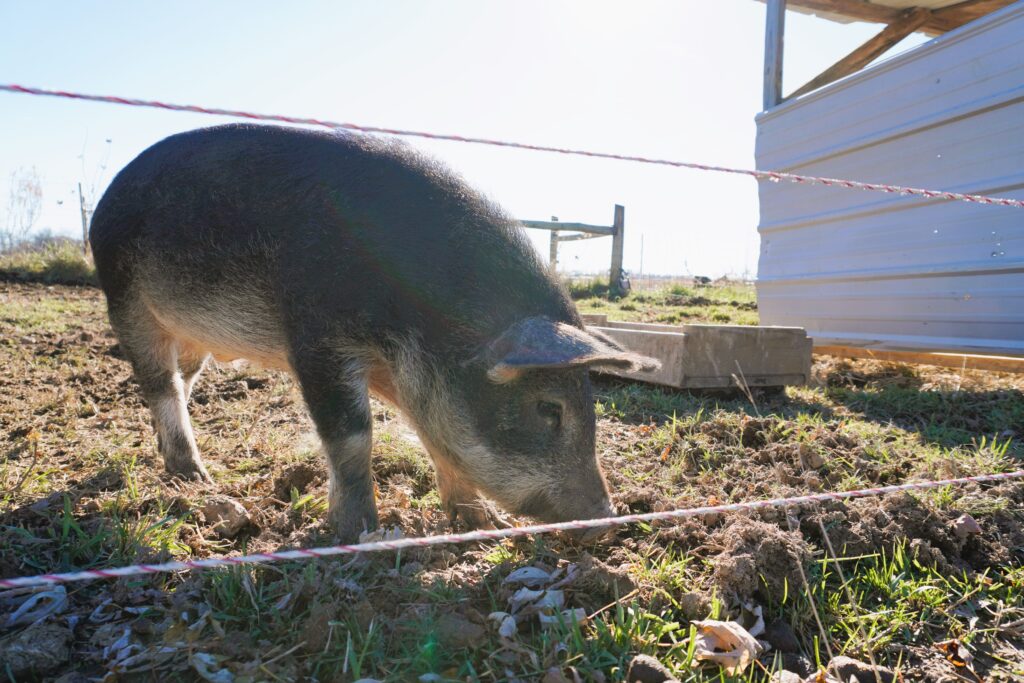
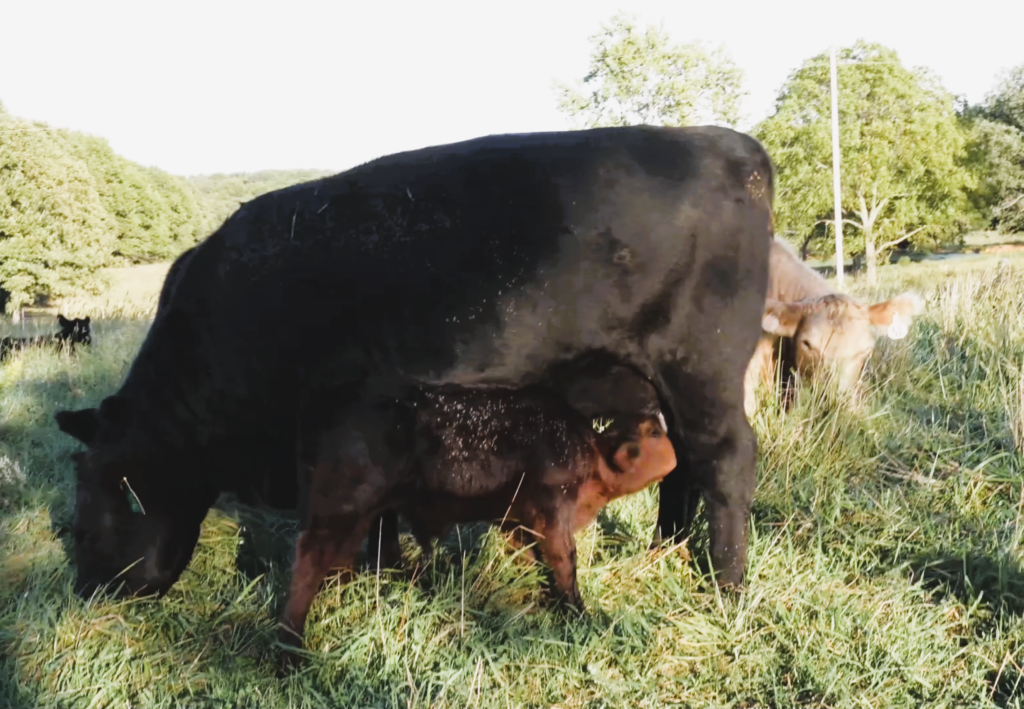
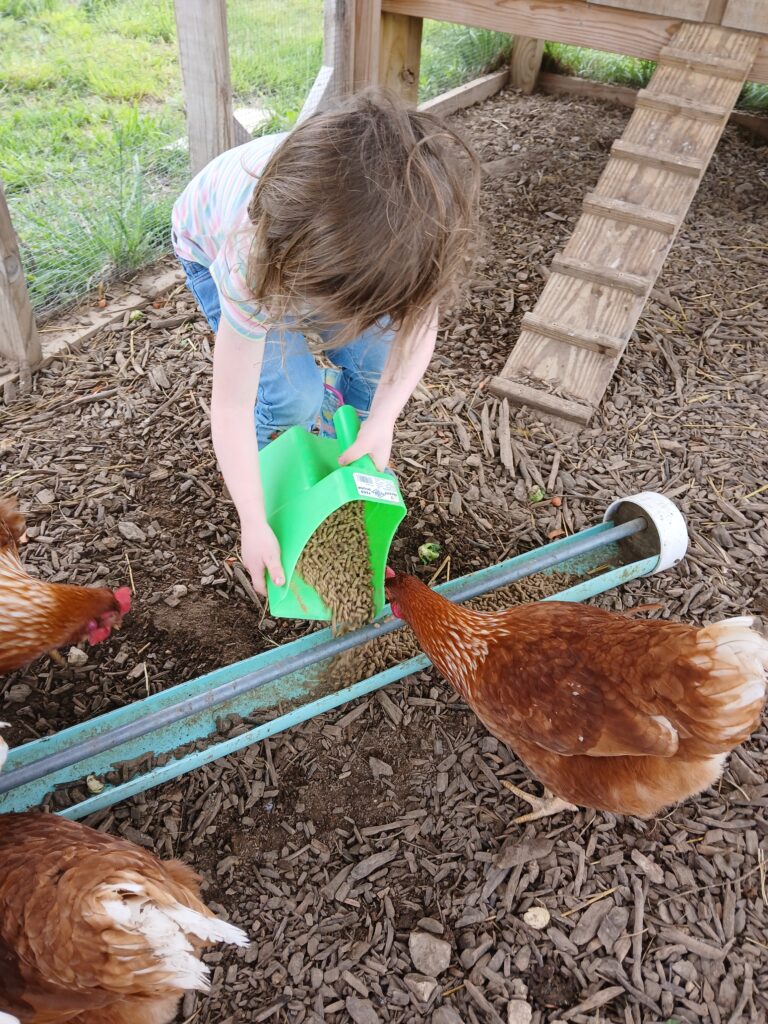
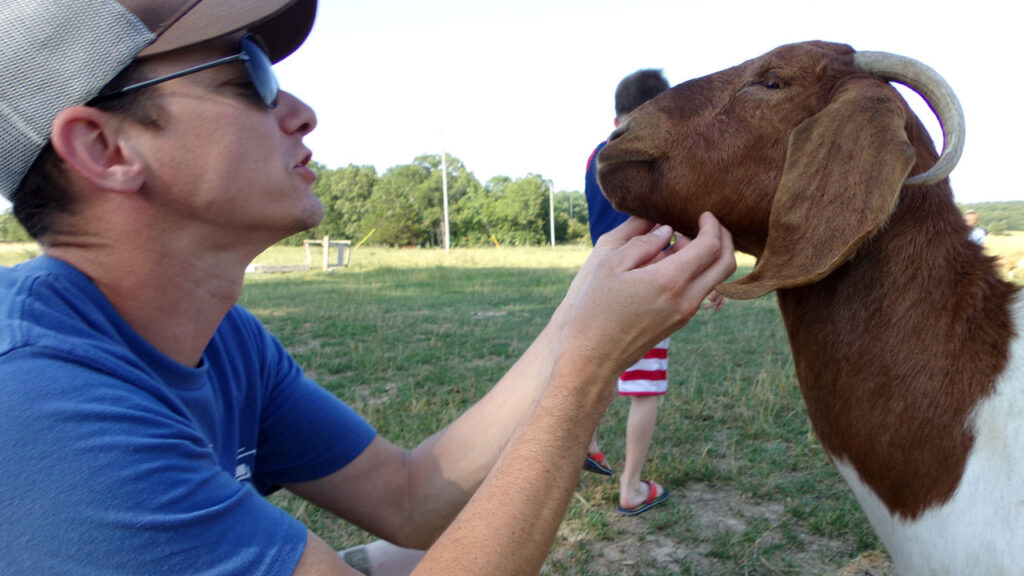
Even though the primary bread winner may have been beef or milk production, you would also see hogs, sheep, poultry barns, and more on a farm. Even on crop farms, it was common to see 4 to 6 different crops planted in a single season. The whole reason is because one crop might fail, or the market might bottom out on beef cattle.
You have to spread things out so that you reduce your risk while also maximizing your chances for success.
Avoid debt.
Now I know that debt can be a sticky subject for some, but I want to point out that farm debt is at an all-time high and more than half of all farmers in the U.S. lose money every year. That’s not what I would call a recipe for success.
Of course, I’m not going to pretend that I’ve never borrowed money for the farm. In fact, I’ve borrowed lots of money multiple times and in each situation, I found the same thing to be true, I was worried more about making my note payment than I was about anything else.
That placed a cap on growth for me as well, because I couldn’t put much money back into growing the farm because it was mostly going to service the debt. Saving money for a year or two, then starting small is usually a better way to go because it not only means you’ll be starting debt free but also allows you to grow into your market.
For me, the drive to borrow money was usually based on a desire to grow much faster than I probably should have been growing in the first place. That only compounded the problem because I went from zero to 100 without much confidence that I could sell what I was producing for enough money to pay back the note. If you start small, without debt, it’s much easier to work your way up into what you want to be.
Don’t buy new equipment, buy used.
Hey, I love shiny new tractors as much as anybody, but shiny new tractors are expensive. I just mentioned avoiding debt, well I borrowed a bunch of money for a shiny new tractor once, well not brand new, but new enough, anyway I spent a lot of money trying to keep that tractor up. I discovered that the particular tractor that I bought was built with an undersized clutch that was prone to wearing out too fast, undersized hub assemblies on the front axle, and a fiber head gasket that was prone to blowout.
Needless to say the tractor that I thought was going to make my life easier ended up being a major headache that cost a lot money more than I borrowed. In fact, I’ve got a couple videos on the channel of me replacing the head gasket on it… Then, to add insult to injury, when I sold it I had a higher tax bill even though I technically sold it at “a loss”.
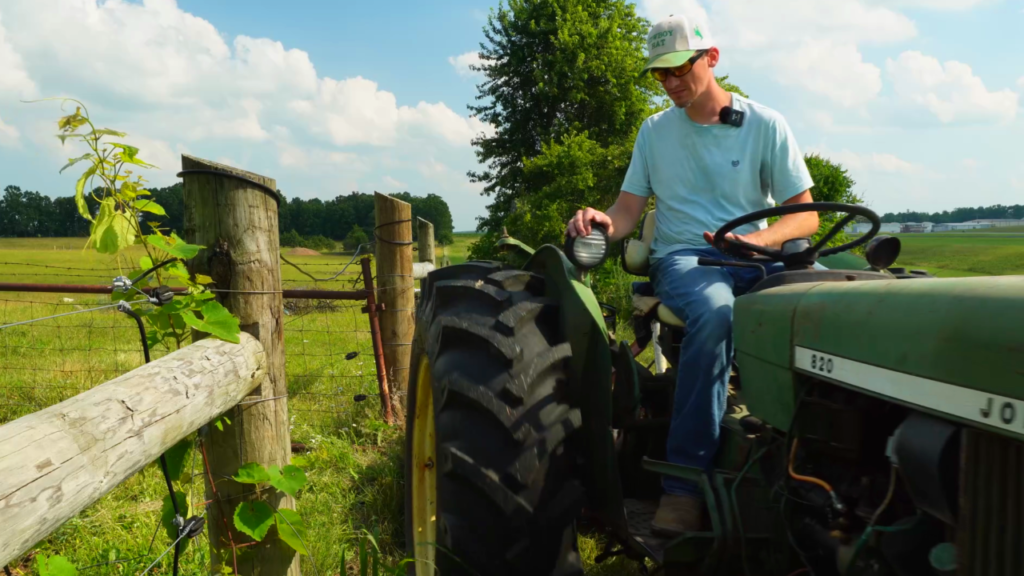
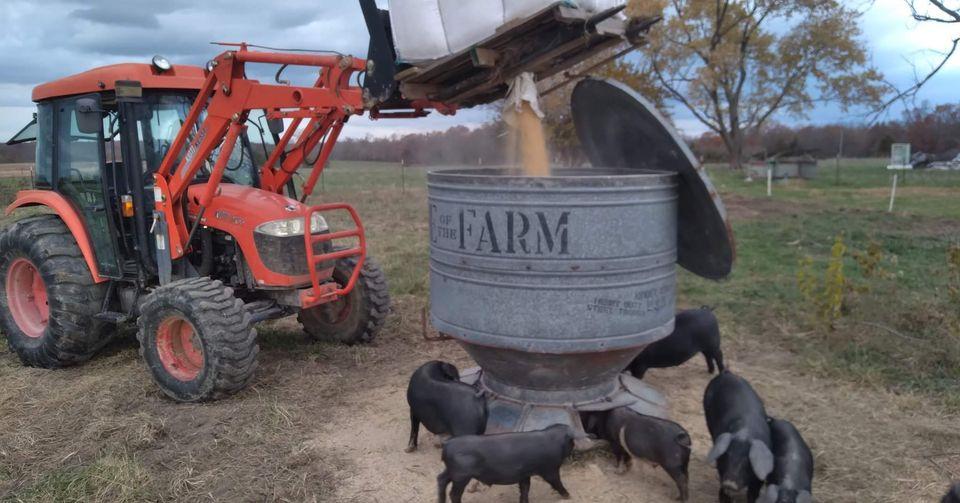
My point here is that if you’re buying equipment, it’s often better in the long run to buy older equipment that has already been depreciated. While you may have to work on it from time to time, if you shop around and get something that has parts readily available, you’ll not spend nearly as much money on repairs.
My tractor that I mentioned earlier occasionally suffered OOS syndrome… Out Of Stock. When a front wheel bearing failed while moving a load of dirt, my tractor ended up being down for some time because I couldn’t find parts to repair it. So, it just sat behind my house with the front axle propped up on a jack stand while I hunted for parts.
Now to be clear, I’m not saying that you should never buy new equipment. If you have the money and a genuine need for a machine that will easily pay back the cost, knock yourself out. Or if you have the money and just want it, again do whatever you want.
My main point here is, that if you’re trying to build a farm business, you have to think about the bottom line and generally speaking, new farm equipment does more harm that good to profitability.
Don’t buy something just for a tax break.