Affiliate Disclosure: This post may contain affiliate links. As an Amazon Associate planeview.farm earns from qualifying purchases. This means I may receive a commission if you click on a link and make a purchase, at no extra cost to you. For more information see Terms of Service.
Raising pigs on a small farm or homestead starts with a pretty important choice. Pick the wrong breed, and you face endless troubles like slow growth or tough handling. Get it right, though, and your setup thrives with good meat, easy care, and real rewards.
This guide cuts through the confusion of selecting pig breeds. It helps you to narrow down your goals, assess the land you have, and figure out your daily needs. You’ll learn what matters most for small-scale producers like you.
Defining Your Production Goals: Meat, Show, or Pet?
Establishing Your Primary Purpose for Raising Pigs
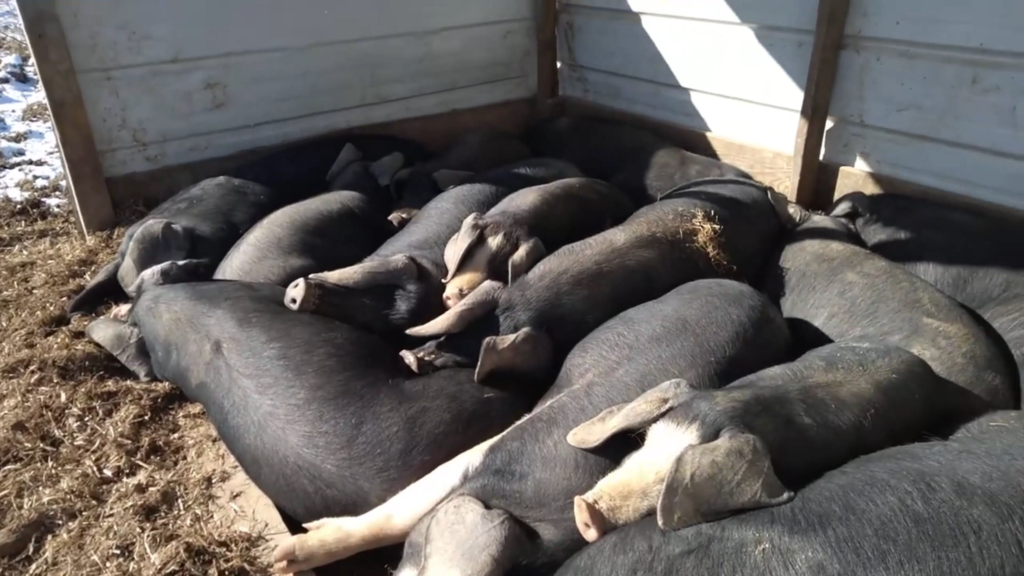
Your reason for keeping pigs shapes everything from feed to space. Meat-focused farms aim for quick gains and big cuts. Show pig producers seek calm animals that fit breed or show conformity standards. Pet owners are looking for a pig that are family friendly and easy to handle. Each path changes how you pick breeds for your small farm.
Feed needs vary a lot. Meat pigs eat more grain for fast growth. Pet types graze on scraps and grass. Maturity hits at different times, some are ready in months, others take longer. Carcasses differ as well: lean for bacon, fatty for cooking fat.
Think about your end game. Do you want pork for the table? Or maybe breeding stock for sale? This sets your breed hunt.
Maximizing Meat Yield and Quality
Meat lovers chase pigs that pack on weight fast. They want marbling for tasty flavor, not just slim cuts. Breeds like Duroc shine here with red meat and good fat layers.
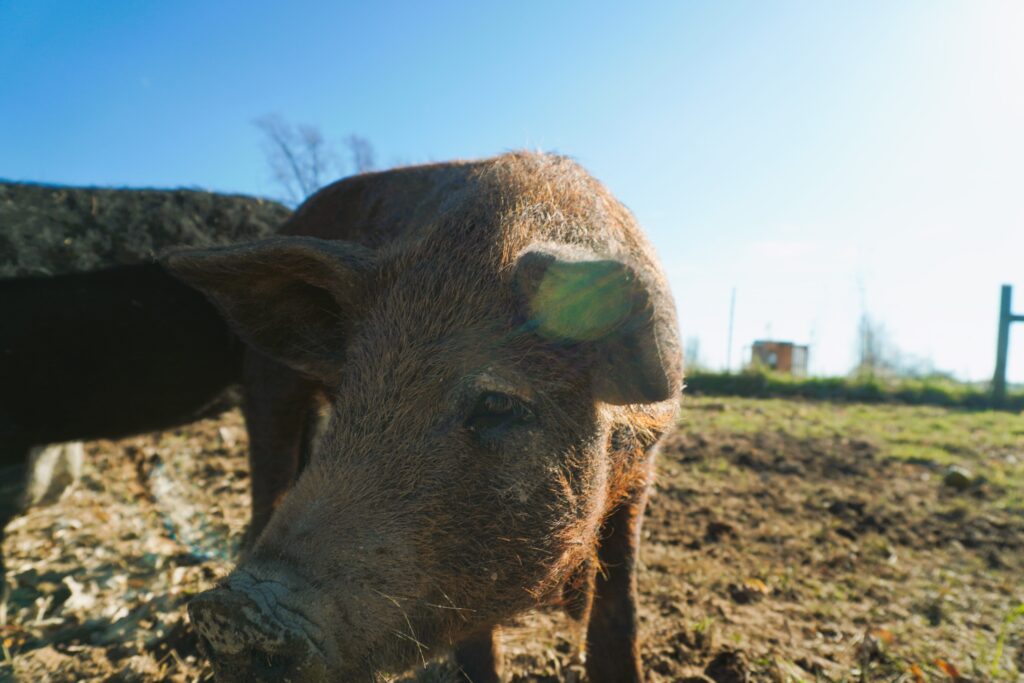
Bacon fans pick long-bodied types such as Large Black Hogs (my personal favorite) and Tamworth pigs. Those long-bodied breeds are also good if you like lots of chops or loin. Lard seekers go for chunky, rounder builds. The woolly Mangalitsa lard hog breed have really gained a lot of popularity over the last several years among homesteaders for their lard production, meat quality, and foraging ability.
Check with breeders for information about growth speed and what size the is the best for finishing. This helps match your feed budget to results. A quick tip: Track daily gains to see if your choice delivers.

Heritage Breeds for Superior Flavor Profiles
Old breeds offer deep taste from slow lives. They grow on pasture, building rich flavor. Those Mangalitsa pigs that I mentioned above are also popular for what many consider to be gourmet meats.
The same is true for most heritage breeds. They come with a wonderful flavor that has been bred out of the pork that you’ll find in the grocery store, for the sake of quick growth and higher profits. Those who are old enough to remember those “Pork. The Other White Meat” advertisements will remember how the National Pork Board was trying to convince consumers that high quality, healthy pork should be pale and bland. Yum!
However, many small-scale farmers and homesteaders are discovering just how much more valuable a high quality, flavorful product is.
Farmers love them for direct-to-consumer sales because customers will pay more for that old-time taste. Homesteaders love them for the high quality, homegrown meat source.
I’ll touch on this more in a bit.
Pigs for Homestead Aesthetics and Temperament (Pet/Breeding Stock)
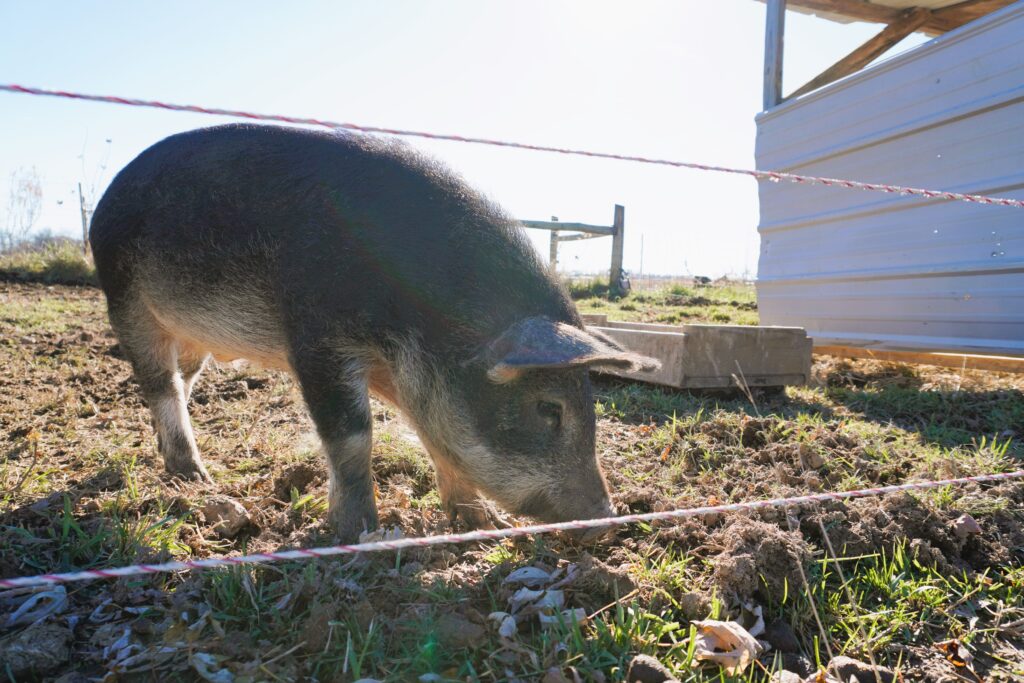
Not every pig ends up as food. Some become yard friends or show stars. Pick small, sweet types for easy life on limited acres.
Docile breeds like Potbelly pigs stay under 200 pounds. They handle kids well and need less fence. Big terminal pig breeds, though, root up gardens fast.
For breeding, choose calm sows that farrow without fuss. This keeps your homestead peaceful and safe. Personally, I prefer calm sows for my meat pigs as well.
Key Selection Criteria: Temperament, Hardiness, and Feed Conversion
Assessing Pig Suitability for Your Environment and Management Style
Daily pig care hinges on traits beyond meat. How they act, handle weather, and eat affects your work load. Match these to your setup for smooth runs.
Small farms often mean hands-on time. A flighty pig stresses everyone. Hardy ones save on vet bills. Efficient eaters cut costs.
Look at your routine. Pasture-based, with minimal feed? Pick foragers like Kunekunes or Idaho Pasture Pigs. A hybrid system? Look for grazers like Large Black Hogs or Missouri Mulefoots. If you’re running pigs in woodlots? Choose Berkshires or Herefords, that may root a little more than others, but will find plenty of nuts and roots to supplement their feed. Confined pens? Go for calm feeders. The right fit makes raising pigs a joy, not a chore.

Temperament and Handling Ease
Calm pigs make farm life simpler. Nervous ones bolt at noise and are hard to move. Aggressive sows bite during birth, risking piglets.
In my experience, Large Black Hogs are the most even-keeled, regardless of age or gender. They’re great for new owners. I’ve never had an aggressive Large Black Hog. I even had a boar that I would let roam around our farm because he never gave me an ounce of trouble. Of course, Large Black Hogs are not the only docile breed. You just have to do your homework and make sure that you’re getting plenty of good information from breeders.
When you go look at prospective pigs for your farm, watch how they react to you. A calm, gentle nudge shows good nature. This trait eases breeding and sales too.
Test by approaching slowly.
Note if they crowd or flee.
Ask sellers about parent behavior.
First-timers, skip the feisty. Start with known mellow types.
Environmental Hardiness and Climate Adaptation
Pigs are very well suited to all types of weather. However, traits do vary by breed. Light skin burns easy—while red and black hides offer more sun protection. Thick coats ward off winter chills and large, floppy ears provide more cooling.
Match to your weather. Cold climates need cold hardy breeds while hot climates call for breeds that stand up well to heat and humidity.
Feed Efficiency and Growth Rate
Feed turns into pig size. A low ratio means less waste—say 3 pounds feed per pound gain. Commercial pigs in confinement operations will be somewhere in that neighborhood.
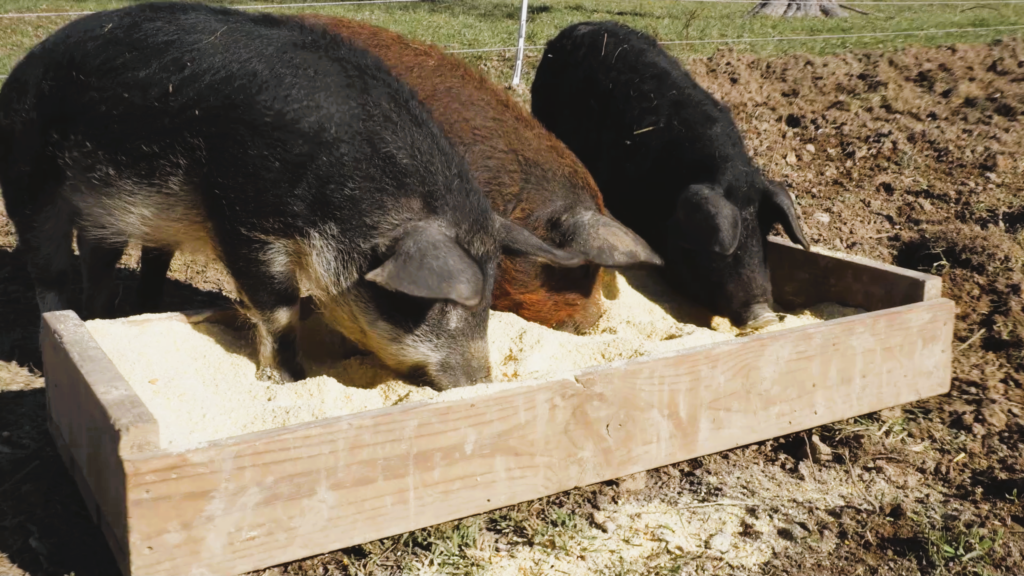
Heritage types forage well, eating weeds and acorns. Even on feed, they grow slower but cost less overall, in some instances. A good, high quality annual forage crop geared toward pig production will have a positive impact on the feed bill.
Balance speed with your pocket. Fast growers need pricier mixes. Slow ones thrive on farm scraps.
Track your own ratios for tweaks.
Breed Deep Dive: Commercial vs. Heritage Lines
Comparing the Most Popular and Successful Pig Breeds for Small Farms
Top breeds split into fast workers and flavor kings. Commercial ones push volume for market sales. Heritage add taste for niche buyers.
Small farms mix both. Pros include quick returns. Cons? Less flavor or high feed needs.
Pick based on space. A half-acre suits four heritage pigs. More room handles commercial herds.
Commercial Lines (The Workhorses)
These pigs fuel big operations, but work on small scales too. Yorkshire, or Large White, grows lean and fast. Landrace adds length for hams. Durocs can be considered either commercial or heritage and brings red color and muscle.
Most commercial breeds will hit 250 pounds in six months. Stats show 70% of U.S. pork from these lines.
Pros: High yield, easy sales. Cons: Bland taste, grain heavy. For homesteads, use as sires on high quality old breed sows.

Heritage and Specialty Breeds (Flavor and Foraging)
Old lines like Berkshire offer marbled bliss. Tamworth pigs are lean bulldozers that are happy to go to work clearing underbrush. Mangalitsa hogs pack on lard for cooking, baking, and even soap and candle making.
If flavor is the most important thing on your list, Berkshire often scores near top in blind tests. In some locations, they fetch double the price per pound. Of course, just about every breed has it’s champion when it comes to flavor.
Heritage breeds are ideal for small farms selling local. Remember: high quality forage cuts costs.
Berkshire: Juicy pork chops.
Tamworth: Bacon from pasture.
Mangalitsa: Fatty cuts for chefs.
Identifying the Best Crossbreeds for Hybrid Vigor
Mixing boosts health and traits. Heterosis makes babies stronger, faster. There are lots of popular crosses among breeders.
My personal favorite is a Mangalitsa boar on a Large Black sow. The combination of lard hog and long lean, bacon hog gives an incredible quality that is hard to beat in bacon and pork chops. My two favorite cuts.
I’m a strong proponent of crossbreeding to fit your needs. I found my favorite cross through experimentation. Keep trying new things.
Pros: Fewer sick days, even growth. Cons: Need good records. Start with proven farm crosses.
Start by buying feeder pigs from different crosses. Test multiple crosses from multiple litters.

Sourcing and Initial Health Considerations
Where to Find Quality Feeder Pigs and Breeding Stock
Your first pigs set the tone. A bad buy means you have to back up and try again. If that happens to you, don’t stress over it. Try to learn from the experience and move forward. When you make a good buy, it will make all of the hard lessons worth the trouble.
Auctions can be tempting with low prices but be careful. Breeders offer something the sale barns do not, history.
Hunt spring sales for weaners. This timing fits farm cycles.
Evaluating Health and Conformation Before Purchase
Healthy piglets perk up, move freely. Look for clear eyes, no coughs.
Tip: See the mom. Her calm vibe predicts the litter.
Use this list:
1. Eyes bright?
2. Walk steady?
3. Breath clean?
Pass on iffy ones, especially if you’re not sure.
Conclusion: Finalizing Your Pig Selection Strategy
The right pig breed depends on your farm size and aims. Volume seekers grab commercial types for fast meat. Flavor chasers pick heritage for premium sales.
Temperament and toughness matter most on homesteads. Outdoor life demands hardy foragers that stay calm and are easy to handle. This cuts stress and boosts joy.
Start small with one breed or a solid cross. Build from there to match your needs. Your pigs will thank you with great results—grab that first batch and watch your farm grow.