Affiliate Disclosure: This post may contain affiliate links. As an Amazon Associate planeview.farm earns from qualifying purchases. This means I may receive a commission if you click on a link and make a purchase, at no extra cost to you. For more information see Terms of Service.
Picture this: You wake up to birds chirping, step outside to your own
patch of earth, and tend to veggies that you’ll sell fresh at the local
market. No more rush-hour traffic or desk jobs—just you, the soil, and a
shot at real freedom. But can a small spread of land, say a few acres, really
pay the bills and let you live off it full-time?
Lately, more folks chase this life. Sales of organic food jumped 12% in
2022, per the Organic Trade Association. The pandemic pushed people to
rethink city chaos for backyard roots and steady food sources. It’s all
about sustainability and slow living now.
This piece breaks it down. Yes, you can earn a living on a small scale farm
or homestead, but it takes smart steps, varied money sources, and a clear
head about the work ahead. We’ll cover the basics, ways to make cash,
tough spots, and real wins to guide you.
Understanding Small Scale Farming and
Homesteading
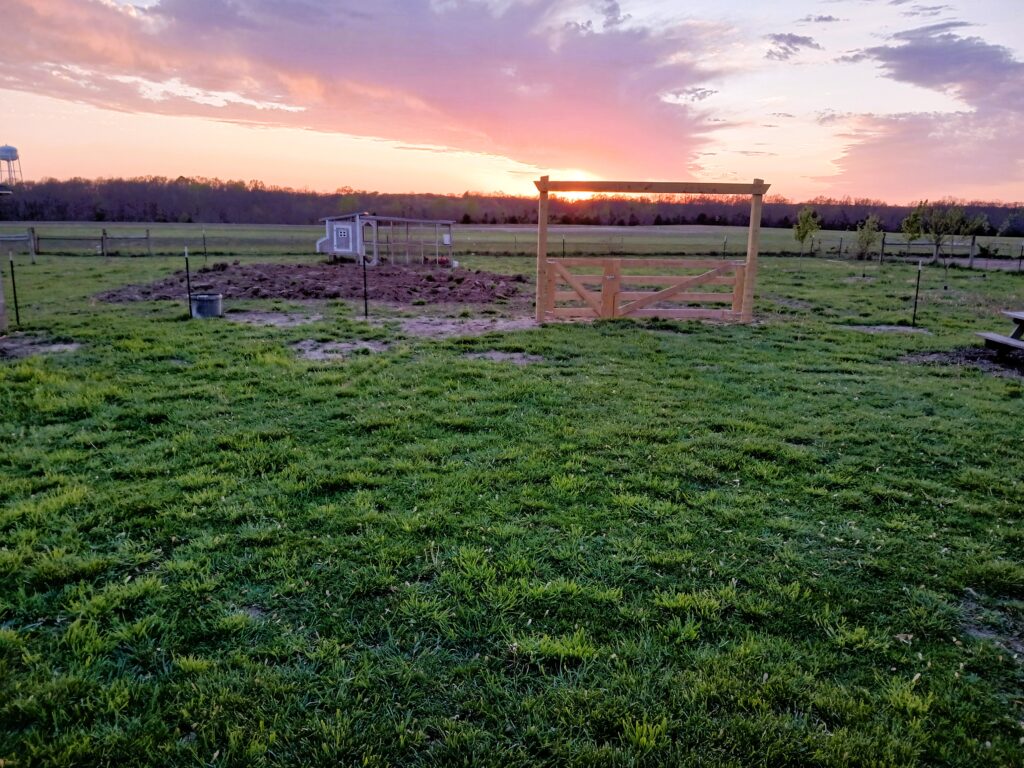
Small scale farming means working smart on limited land. The average farm in the US is in the neighborhood of 450 acres, so I’m going to call anything from 1 to 40 acres small scale. It’s not the huge fields you see in photographs or the movies. Instead, think tight rows of greens or a few goats munching grass.
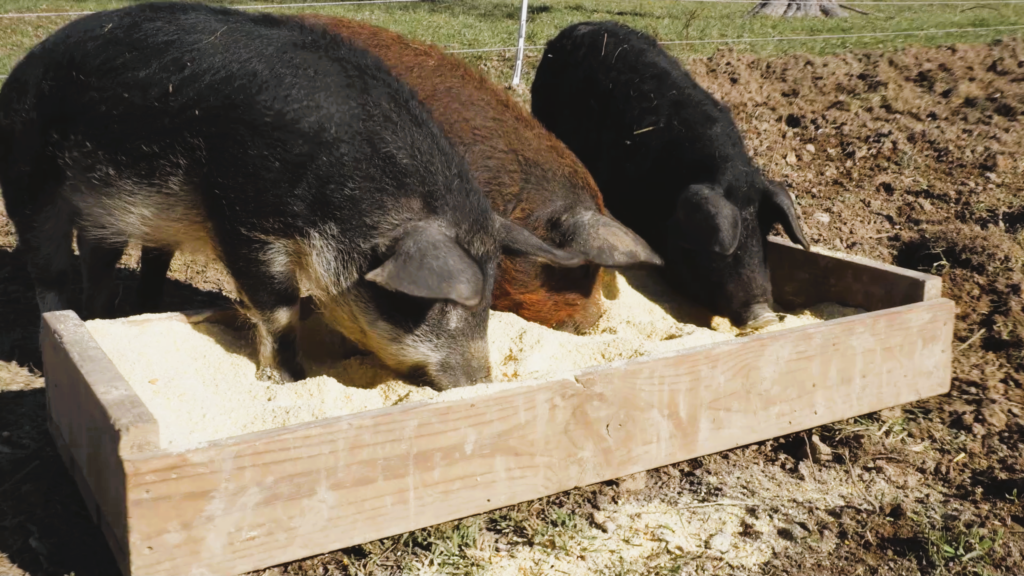
Homesteads lean more toward self-reliance. You grow your own food, raise animals, and maybe sell extras. The line blurs sometimes—many mix both for profit and personal use. Common setups include raised beds for veggies, coops for chickens, or trees for nuts and fruit.
Before you dive in, check your spot. Get soil tested at a local extension
office. Zoning rules vary by location—some spots ban livestock right away.
This step saves headaches later.

Defining Small Scale Farms and Homesteads
A small scale farm focuses on output for sale. You might plant high-value
crops like berries or herbs. Homesteads prioritize family needs first, with
surplus for income.
Acreage matters. On 2 acres, you could run a market garden or keep bees.
Agroforestry adds trees for long-term gains, like apples or walnuts.
Start by walking your land. Note sun patterns and water flow. Join a local
farm tour to see setups in action.
Initial Costs and Barriers to Entry
Buying land costs big—$3,000 to $10,000 per acre in rural spots, says the
USDA. Add tools like hoes, tillers, and fences: that’s another $5,000 easy.
Seeds and starts run $500 to $2,000 a year. Infrastructure, such as barns or
drip lines, pushes totals to $10,000-$50,000 for newbies. USDA data
shows beginners often spend that much in year one.
Hidden fees sneak in. Permits for wells or sales tax add up. Insurance
covers weather hits or liability. To cut costs, lease a CSA plot for $200 a
season. Or buy used gear from farm auctions.

Realistic Expectations for Income
Don’t quit your day job yet. Most small farms under 50 acres need side
gigs at first. The USDA’s 2022 Census says over 80% mix farm cash with
other work.
Full-time pay might hit $20,000 to $40,000 after years of tweaks. It grows
slow, like a seed to stalk. Weather or pests can wipe out a season’s work.
Set goals in stages. Year one: Cover costs with part-time sales. Year three:
Aim for half your income from the land. Track every dollar in a simple
notebook.
Income Streams for Small Scale Operations
Money comes from what you grow or raise. Diversify to spread risk—like
not putting all eggs in one basket, but with actual eggs from your hens.
Pick streams that fit your space and skills. Veggies sell fast at markets.
Animals add steady flow, like weekly egg hauls.
Online sales boost reach. List honey on Etsy or deliver CSA boxes. This
builds a loyal crowd.
Crop Production and Market Gardening
Go for intensive planting. Biointensive methods pack beds tight, boosting yields up to four times normal, per Rodale Institute tests.
Try salad mixes or herbs—they turn quick and fetch $10 a pound. Heirloom tomatoes draw fans at $4 each. Microgreens thrive indoors, ready in weeks.
Plant in succession: Sow seeds every two weeks for steady harvest.
Use row covers to fight bugs without chemicals.
Sell at farmers’ markets or to restaurants for top dollar.
Focus on niches. Grow rare peppers for chefs. This sets you apart and hikes prices.
Livestock and Animal Husbandry
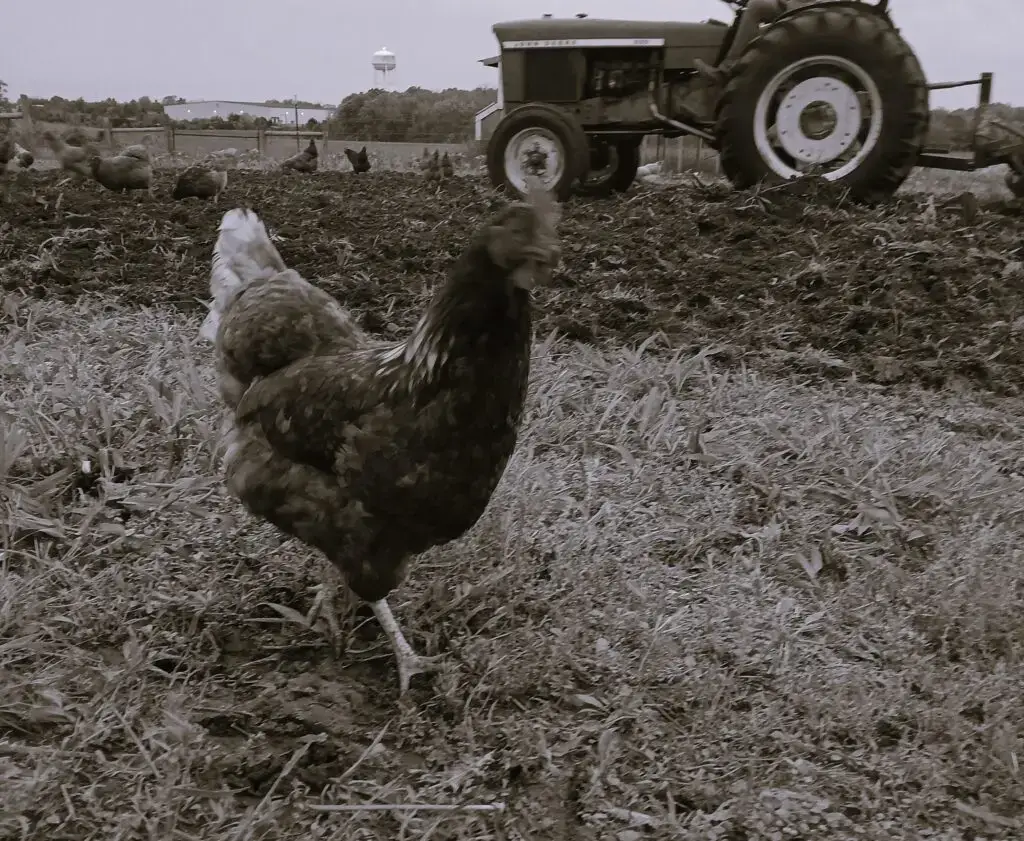
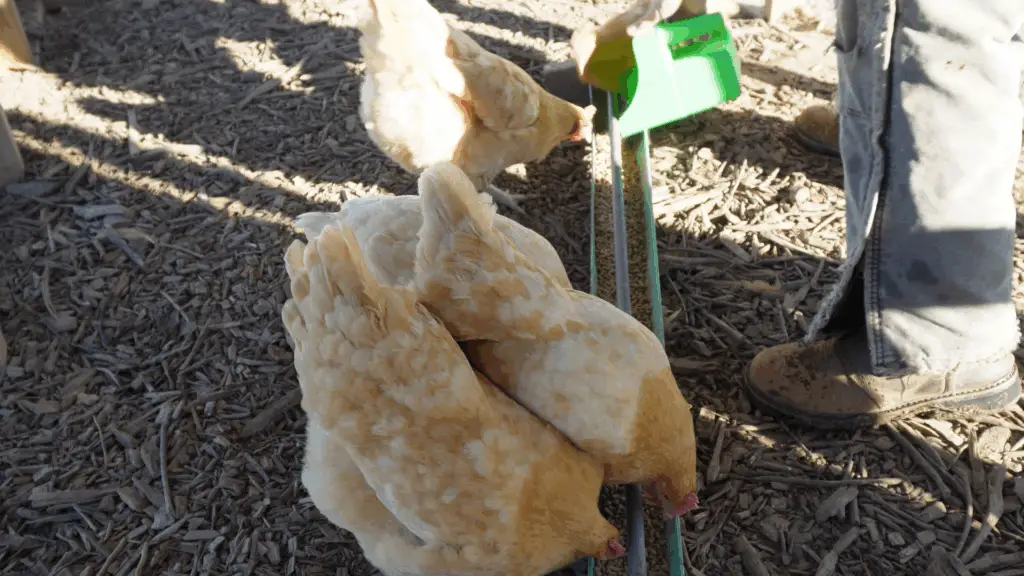
Chickens top the list for ease. Pastured birds yield $5 to $10 profit each, notes the National Sustainable Agriculture Coalition. Eggs sell for $6 a dozen.
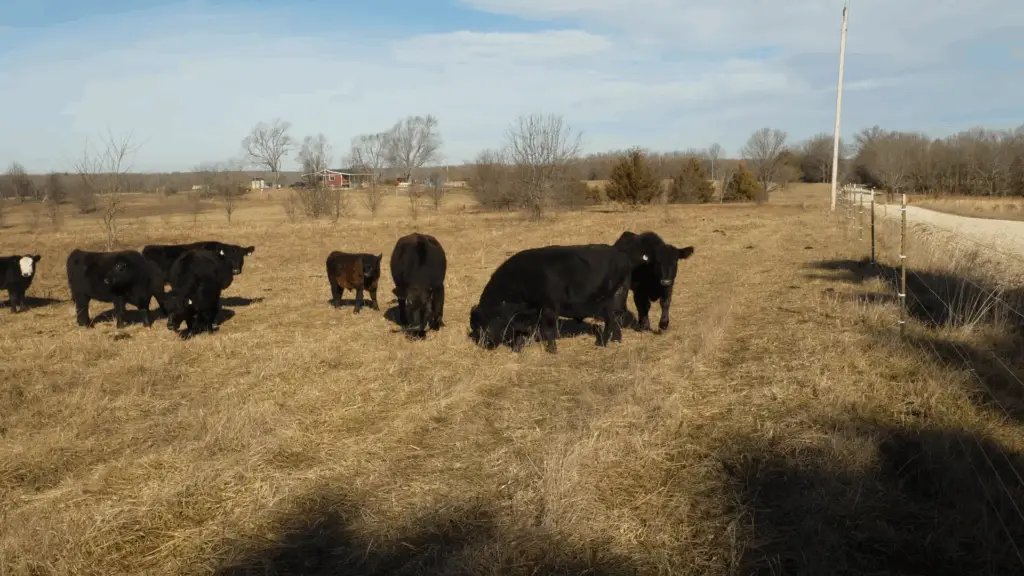
Goats give milk for cheese or soap. A small herd on 2 acres needs little space. Bees hum along with zero land grab—honey jars go for $8 apiece.
Start small. Two hens test the waters before a full flock. Rotational grazing cuts feed bills by 30%. Move animals to fresh grass often.
Pick hardy breeds: Rhode Island Reds for eggs, Nubians for milk.
Build simple shelters from scrap wood.
Check local rules on slaughter or sales.
This path adds fun. Watch kids pet goats at a farm stand.

Value-Added Products and Diversification
Turn raw goods into more. Jams from your berries double value—$5 a jar versus $2 a pint.
Soaps from goat milk or wool yarn from sheep boost margins 20-50%, per Small Farm Today tales. Dry herbs for tea blends.
Learn basics online or at workshops. Food safety rules keep you legal—get a cottage license for home kitchens.
Package pretty: Use jars with your label for appeal.
Sell on Etsy or at craft fairs.
Join co-ops for bulk buyers.
This keeps cash flowing year-round. Winter jams sell when fields rest.
Challenges and Risk Management
Farming tests grit. Pests munch crops overnight. Prices swing with gas costs or floods.
Yet, many push through. Smart fixes turn roadblocks to steps forward.
Stay flexible. Pivot to greenhouse greens if rain fails.
Financial Hurdles and Market Volatility
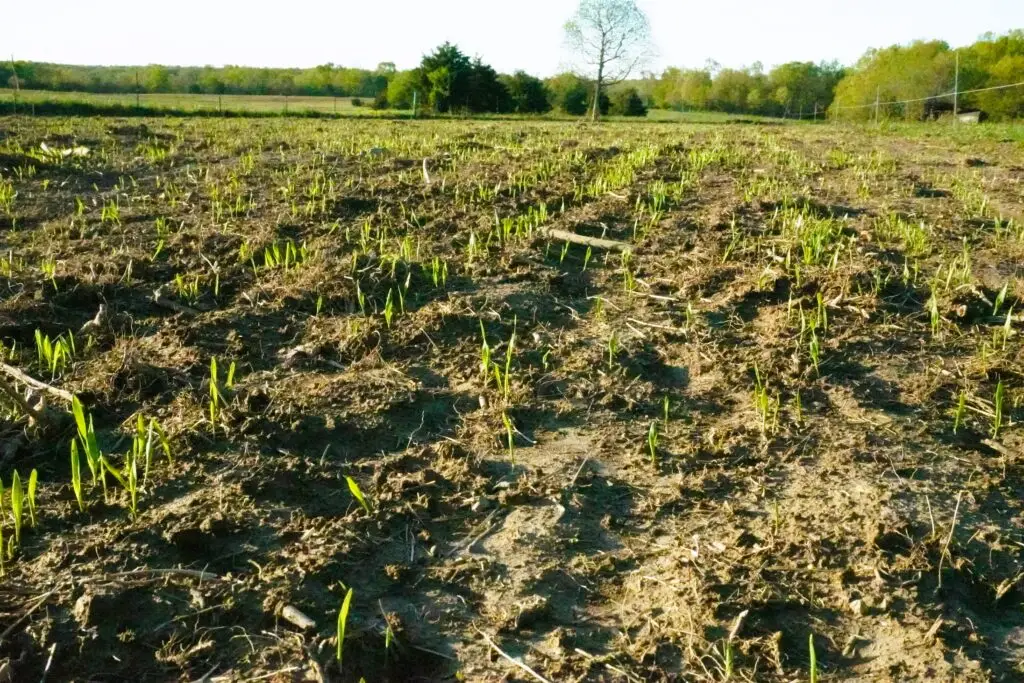
Prices dip fast. A bumper crop floods markets, dropping tomato rates to $1 a pound.
Weather strikes hard—droughts cost small farms 20-30% more failures, USDA reports show. Labor eats time and cash.
Build a buffer. Save six months’ bills in a farm fund. Crop insurance from USDA covers losses for $100 a year.
Track markets weekly via apps like FarmLogs.
Sell direct to cut middlemen.
Barter seeds with neighbors for savings.
These moves steady your ship.
Operational and Lifestyle Challenges
The work tires you out. Dawn to dusk weeding builds calluses. Isolation hits on rainy days alone.
Burnout creeps in without breaks. Joel Salatin at Polyface Farm swears by systems that save steps.
Use tech lightly. Timers on sprinklers free hours. Apps log yields on your phone.
Schedule off days: Hunt or read to recharge.
Team up with family for chores.
Balance with hobbies off-farm.
It’s a full life, but yours to shape.
Navigating Regulations and Sustainability
Laws vary wild. Water rights limit irrigation in dry states. Animal welfare codes demand space per hen.
Sustainability seals the deal. Permaculture mimics nature—layer plants for soil health.
Join groups like the National Young Farmers Coalition. They offer grants up to $5,000 and rule guides.
Test soil yearly for balance.
Compost waste to cut trash.
Seek mentors at extension offices.
This keeps your farm green and growing.
Success Stories and Practical Strategies
Real folks prove it works. On 5 acres, one couple nets $40,000 from veggies and tours.
Lessons from them light your path. Adapt what fits your dirt and town.
Dream big, but step steady.
Real-World Examples of Profitable Small Farms
Take the Savanna Institute’s tree farms. Agroforestry on 10 acres brings $30,000 yearly from nuts and timber.
Mother Earth News spotlights a 3-acre spot with chickens and greens. Owners clear $50,000 via CSAs and markets.
These stories share keys: Start small, learn local tastes, and tweak often.
Visit nearby successes: Ask about their first-year flops.
Read books like “The Market Gardener” for blueprints.
Track your wins in a journal.
Inspiration fuels the plow.
Building a Business Plan and Marketing
Sketch your plan simple. List costs, sales goals, and growth steps. SBA tools for farms make it easy.
Project $10,000 year one, scaling to $30,000. Track expenses monthly.
Market with heart. Share your story on Instagram—photos of ripe harvest draw followers.
Set up a booth: Signs and samples sell.
Email lists for CSA sign-ups.
Partner with stores for steady orders.
This builds your brand.