Affiliate Disclosure: This post may contain affiliate links. As an Amazon Associate planeview.farm earns from qualifying purchases. This means I may receive a commission if you click on a link and make a purchase, at no extra cost to you. For more information see Terms of Service.
Many folks swear goats bring endless headaches. But what if most of that is just bad info? At Plane View Farm we proved the naysayers wrong.
Myth 1: Goats Are Impossible to Keep Contained
The Effectiveness of High-Tensile Electric Fencing
Goats escape everything. That’s the big claim. I believed it once. My old fences sucked. Now? Not one breakout. We use seven-strand high-tensile electric. Ten to twelve inches gaps up top. Eight inches mid. Five or six down low. Bottom wire five inches off ground.
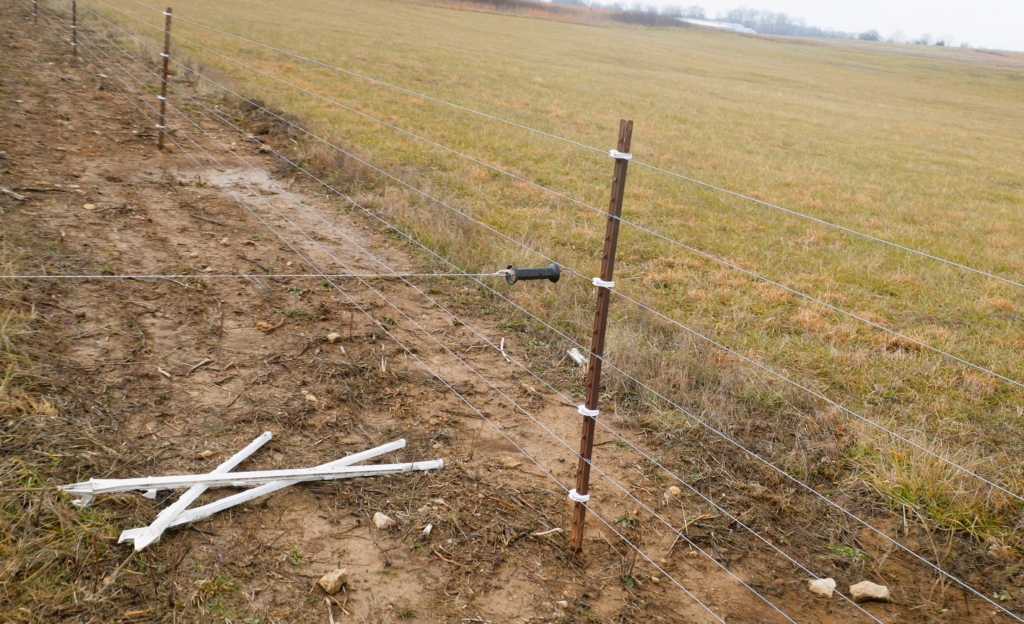
Four hot wires alternating with three ground wires. If they touch two wires trying to jump through the fence? Zap! Full shock hits. No reaching through for a bite. No climbing. They stay put. This is the second property we’ve used this setup on and we’ve had zero escapes!
Fencing Cost Comparison and Animal Behavior
Our set-up runs circles around barbed wire fence because we only need half the T-posts. Also, the smooth 12.5-gauge high tensile wire is much cheaper too. Don’t get me wrong, woven wire is great, but it costs way too much and is takes a lot longer to install.
In my experience, a strong shock helps the goats learn quickly and they respect the fence going forward. Of course, some animals won’t stay in regardless of what kind of fence you have. Goats, sheep, cows, pigs, etc. they’re all the same. If they don’t respect the fence you have, regardless of what type it is, that animal needs to be culled.
Myth 2: Goats Are Inherently Frail and Prone to Death
The idea that goats are always hunting for a place to die from birth is pure myth. Losses are often tied to failures in management. Parasite loads will build if you drag your feet in treating affected animals. If you leave them in the same paddock for too long, parasites will thrive. Regular pasture rotations, at least once every week, can make a huge difference in parasite problems because you’re breaking up the life cycle of the worms that cause the most problems.
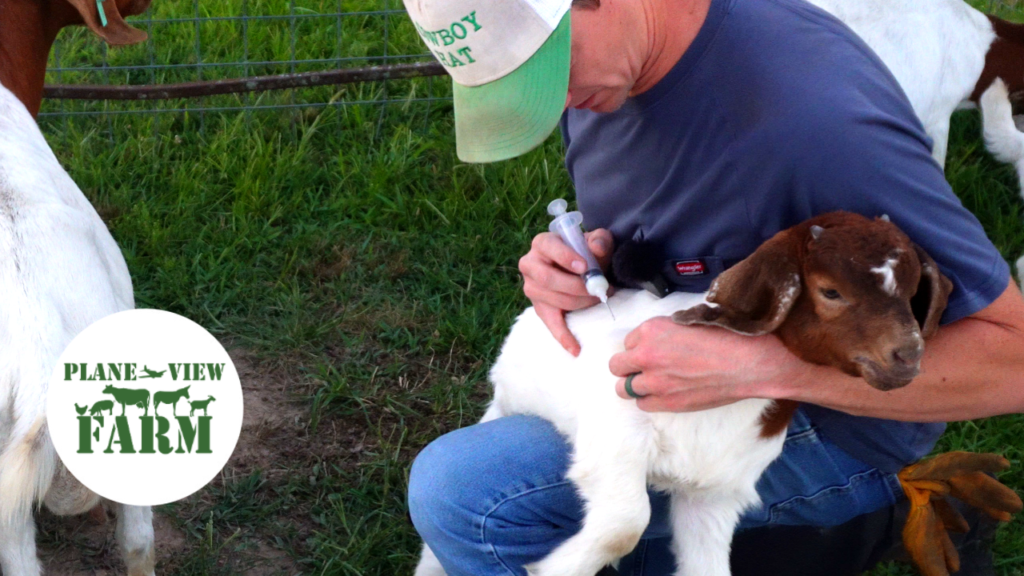
Move them around. Watch for the usual symptoms of a heavy parasite load such as, pale eyelids and gums, soft or runny manure, weight loss, lethargy, and bottle jaw. Treat just the animal that is showing symptoms so that you don’t inadvertently build resistance to the de-wormers that you use.
Preventing Early Kidding Risks
Sometimes a desire to hit the top of the market will cause farmers to rush breeding causing kids to pop too soon. The late winter chill kills them. Tiny bodies freeze fast. Plan breeding based on the calendar, not the market.
Kidding during favorable weather conditions will make up for any price drop at a later market because you’ll be much more likely to have strong, healthy kids. Again, it comes down to good management.
Myth 3: Goats Smell Bad and Billy Goats are Aggressive
Bucks do smell in rut, but once breeding season is over a good rain washes off any strong smell. The nannies don’t have their own smell, other than what you’d expect from a typical farm animal. Whatever they pick up comes from the Billy Goat and also washes off in a good rain shower.
Temperament and Handling of Billy Goats
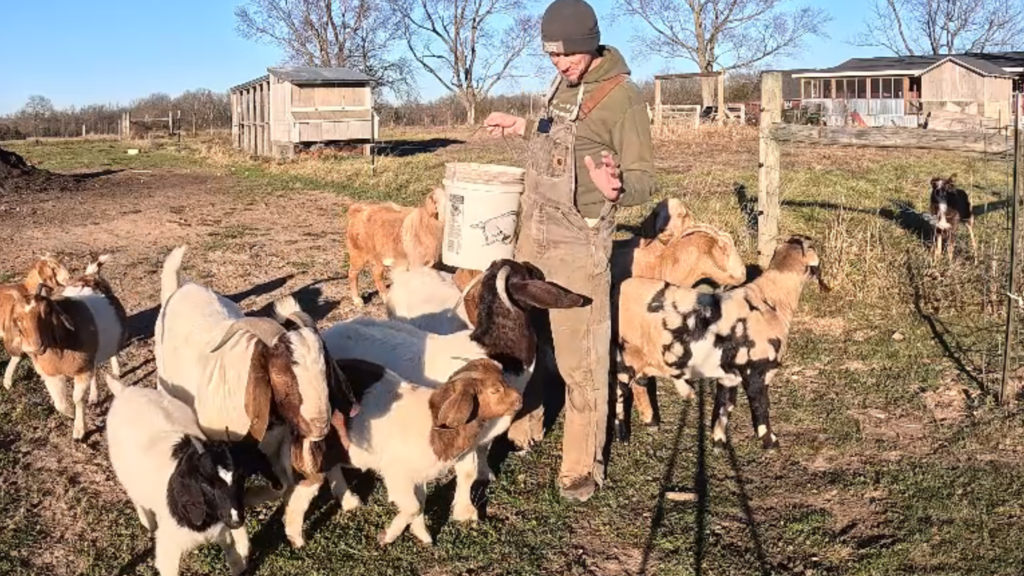
Some bucks can be difficult, but just like the escape artists, they get culled. I’ve only had one over the last 10 years or so that was what I would consider to be mildly aggressive. He never tried to hurt me, but he did like his space. Goats are like other animals and deserve your respect. Just like bulls and boar hogs, a Billy Goat will generally leave you alone if you respect his space.
Myth 4: Goats Are Not Profitable Enough for the Effort:
Small Ruminant vs. Cattle Profitability Comparison (Data Analysis)
Let’s crunch numbers (Early 2026 Southern MO Market Prices). The rule of thumb is that roughly 6 goats equals one cow unit. (You can use these same numbers for sheep)
A normal kidding rate is 1.5 kids per doe, so six does make nine kids. At 63 pounds each, selling for $3.57 per pound, you’re getting $224.91 per kid. For 9 kids, you’re going to get a total price of $2,024.
If you have a steer that Steer weighs 523 pounds and he brings $3.93 per pound, you end up with a price of $2,055. That’s pretty close, with the advantage going to the steer based on the raw market prices alone. But wait.
Analyzing Time-to-Market and Turnover Rate
Steers take six months grow-out. Kids take three. The gestation period for a cow is 9 months. For goats it’s 5 months. In the time it takes for a cow to be bred and have a calf, you can go from breeding to market with a herd of goats. The cow will still have to put 6 months into raising her calf.
If you want to get aggressive, you can put goats on an accelerated breeding program and have a kid crop every 8 months. Meaning that you’ll be able to raise 3 crops of kids over a period of 24 months, compared to 2 calf crops. This is where goats (and sheep) run circles around cattle.
Entry Cost Comparison: A Major Advantage for Small Ruminants
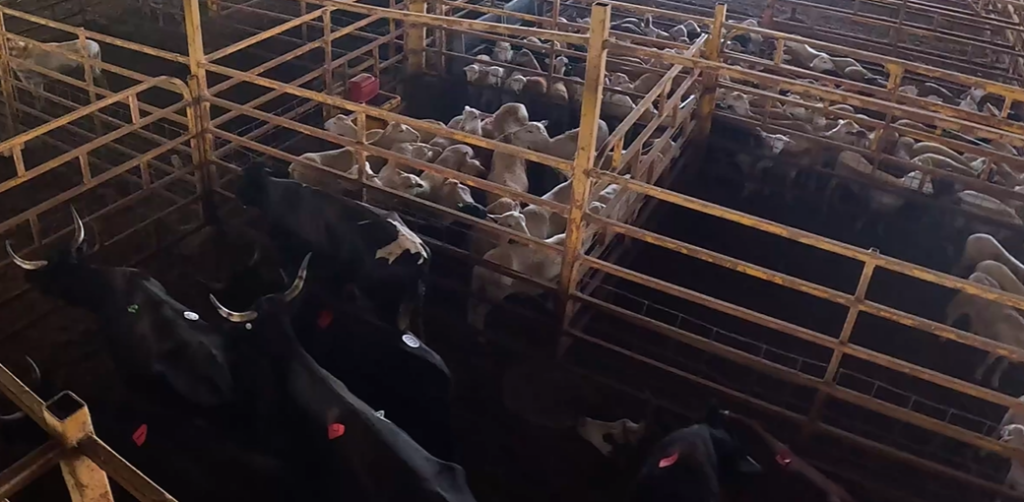
The cost of entry for cattle is much higher than it is for goats. If you buy a bred cow, you’re likely to spend between $2500 and $4000. Good quality bred nannies can be had for $300 to $350 each. That means $1800 to $2100 for 6, or the equivalent of a single cow unit.
Maximizing Pasture Efficiency: Running Mixed Species
Dietary Differences Between Goats and Sheep
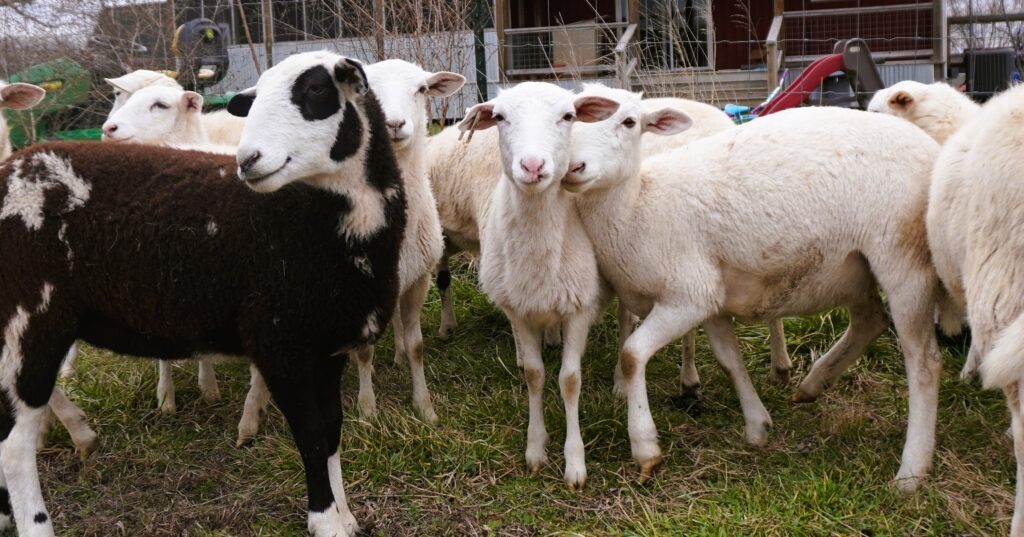
If you add in sheep, you can at least double all of the numbers covered above without needing more land. Goats and sheep can run on the same piece of property and will not compete for food. Sheep graze and goats browse. Meaning that as long as you’re not overstocked, the sheep will eat the grass and the goats will eat the weeds and brush.
Integrated Grazing and Parasite Reduction
The bonus to all of this is that you can add cows too. Of course, you will have to reduce the number of sheep to one ewe per cow to keep them from competing, but the goat stocking rate will remain the same (based on what kind of pasture you have). This allows you to maximize the productivity of your property without putting all of your eggs in one basket.
Another bonus is that the cattle will “sanitize” the pastures for the small ruminants and visa versa. The parasites that cause problems for sheep and goats cannot survive in the stomachs of cattle and cattle parasites cannot survive in the stomachs of sheep and goats. So this will lead to less worm problems overall.
Conclusion: The Sustainable Start in Small Ruminant Farming
Goats bust every myth. Don’t be afraid to give them a try on your farm!