Affiliate Disclosure: This post may contain affiliate links. As an Amazon Associate planeview.farm earns from qualifying purchases. This means I may receive a commission if you click on a link and make a purchase, at no extra cost to you. For more information see Terms of Service.

Whether you have a couple hundred head or ten, you are going to need a way to identify your cattle.
We have come up with a easy common sense way to tag our cattle here on the farm that we think will work great for your farm as well.
Managing Cow and Calf Relationships for Healthy Livestock
Understanding Cow Behavior During Calving
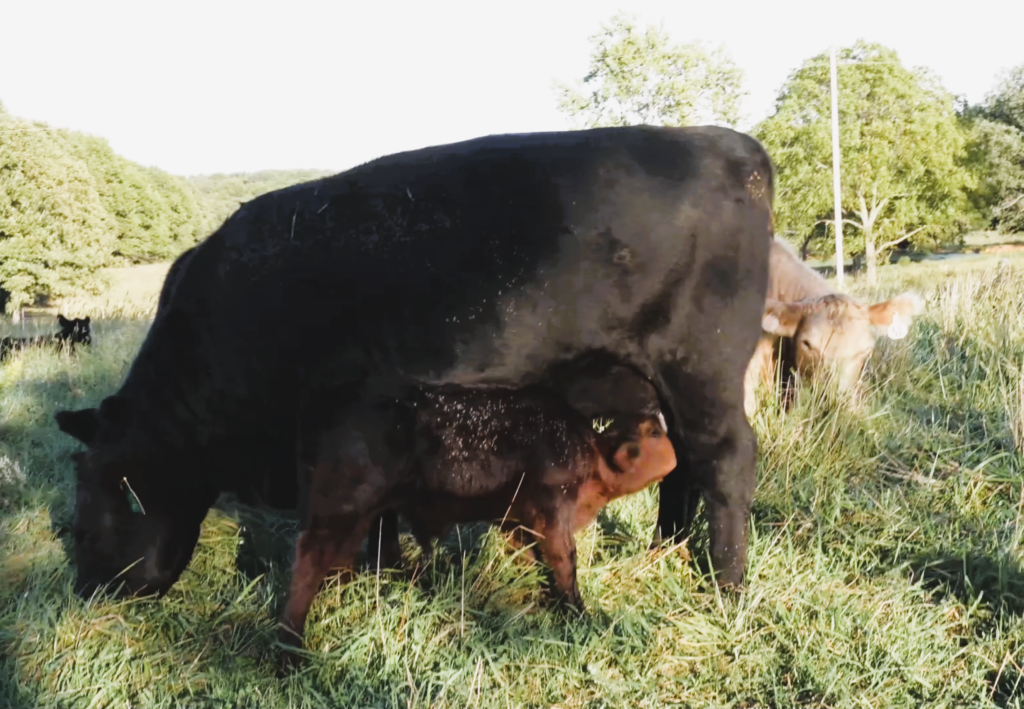
Most cows show signs before giving birth. Some may start to bag up—the swelling in their udder—days or even weeks before calving. Others might become more restless or seek quiet places. But different cows behave in different ways. Some will calve suddenly with little warning, while others give plenty of notice. Learning these signs helps you prepare and act at the right time.
Calf Handling and Monitoring Techniques
When calves are born, quick observation is key. Check to make sure they’re clean and free of flies. Flies can spread infections and make calves miserable, especially after a wet spring when they thrive. Some calves are active right away, exploring their new world. Others need gentle help staying calm and safe while they find their footing. Watching for any signs of trouble like difficulty breathing or weak calves improves chances of quick help if needed.
My Method for Tagging Calves
Tagging calves is all about keeping clear records. My system involves writing on both sides of the tag. On the front, I write the cow’s number and the year her calf was born — like 45 and 25 for 2025. On the back, I write the month and day of birth. This makes it easy for me to quickly identify which cow the calf belongs to and determine exactly how old they are. My tagger is a Y-TEX brand, and it has held up well for me. The tags as well as the tagger can be picked up at most local farm stores. I also try to use this opportunity to band the bull calves while I have them caught.

Common Calving Challenges and How to Address Them
Managing Lost or Missing Ear Tags
Occasionally, a tag might fall out. If that happens, you’ll need to re-tag the calf. Sometimes, if you’re in a hurry or if the calf is fighting you, you may not get the retainer button fully seated into the tag. If you lose a tag, don’t panic—just keep track of the calf by its physical features and re-tag when possible.
Effective Livestock Record-Keeping Practices
Importance of Accurate Calving Records
Good records are the backbone of herd management. For me, knowing exactly when each calf was born and which cow it belongs to with a quick glance makes managing the cattle easier. I don’t have to refer back to a notebook or try to remember individual numbers.
Keep it Simple!
My tagging system is simple but effective. Some farmers add color codes or unique numbers for quick visual ID, saving time during busy days. The whole idea is to do what make sense to you on your farm.
Digital vs. Manual Record Keeping
Keeping records on paper works well for small farms. But many are moving to digital systems, which can be faster and easier to search. Weighing the options depends on your farm size and comfort with technology. Whichever way, consistent updates are what matters most.