Affiliate Disclosure: This post may contain affiliate links. As an Amazon Associate planeview.farm earns from qualifying purchases. This means I may receive a commission if you click on a link and make a purchase, at no extra cost to you. For more information see Terms of Service.
Imagine standing on your farm, watching your pasture-raised pigs roam freely under the sun. You’ve poured heart and sweat into raising animals the right way, free from factory farms. But in a world hooked on cheap supermarket meat, how do you get locals to choose your fresh cuts instead? The reward? A steady stream of buyers who value your story and support your operation year-round.
Building a strong local customer base takes smart moves. It mixes top-notch product quality, targeted local marketing, and real connections with people nearby. As a small-scale livestock farm selling direct to consumers, you can turn your passion into a thriving business. This guide shares clear steps to link your farm straight to your community.
Section 1: Solidifying Your Foundation: Product Quality and Transparency
Start with what sets you apart. The meat you’re producing isn’t just food—it’s a promise of better living not just for your customers, but also for your animals. Focus here first, and the rest falls into place.
Defining Your Unique Selling Proposition (USP) in Livestock
There’s a phrase in business called the Unique Selling Proposition. This is a description of what sets you apart from everyone else. What is it about your farm and your product that makes it so special?
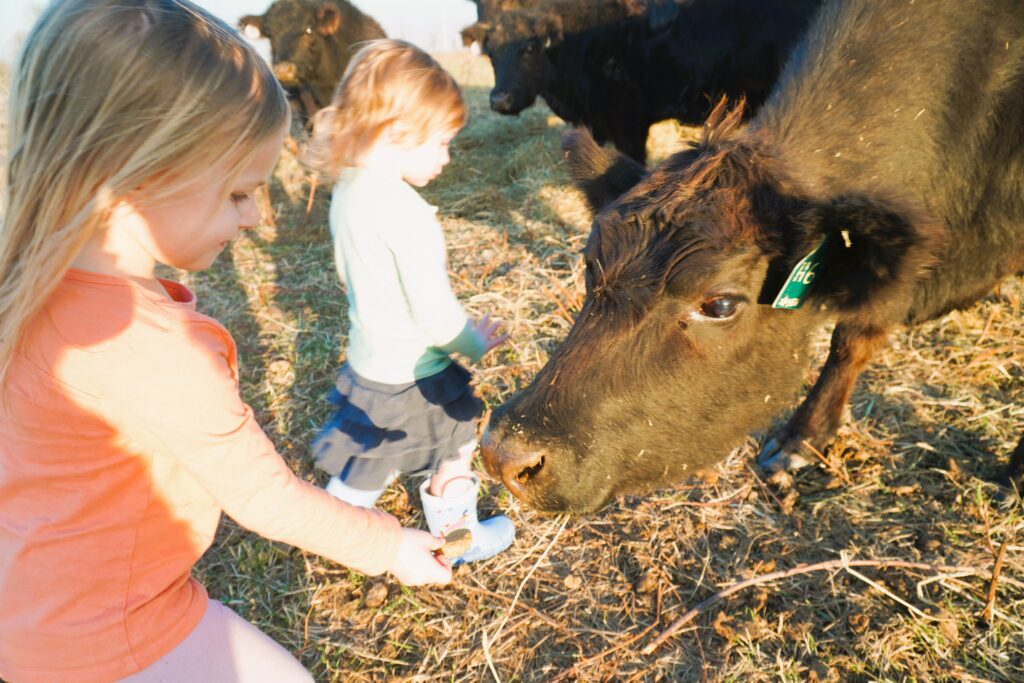
On our farm, our cattle spend their entire lives on pasture which appeals to our customer’s sense of ethics. When it comes time to finish them out, I feed them a daily ration of corn to appeal to a flavor that our customers have come to expect from their beef.
Our pigs are a cross of heritage breeds that produces a well marbled, long bodied pig that is good for superior quality bacon and pork chops.
The point is that your USP is something that grabs attention in a crowded market. Think about what makes your beef, pork, or chicken stand out. Is it your pasture-raised methods, grass fed and finished quality? Maybe it’s the rare heritage breeds, or non-GMO feeds—these speak to folks tired of bland store options.
Craft a short pitch to share your edge. Maybe something like, “Our chickens scratch in grass for bugs and seeds, instead of standing in a cage eating round-up ready feed. That means richer flavor and healthier meat for your grill.” Practice it until it rolls off your tongue. Use it at markets or on your site to hook curious shoppers.
Local tastes vary, so tweak your USP to fit. In a rural spot, stress community roots and traditional flavor. In a city suburb, highlight clean, ethical sourcing. This pulls in buyers seeking farm-fresh products close to home.
I want to be clear here that I’m not encouraging you to give people a flowery description that indicates that you’re something that you aren’t. Instead, I’m saying that it’s important to understand what it is that makes you special and find a way to positively communicate that.
Remember that you are the real deal! You’re not just a middleman, or a salesperson who’s buying products for resale. You’re a real farmer who’s involved in the process from start to finish.
Radical Transparency: Farm Tours and Documentation
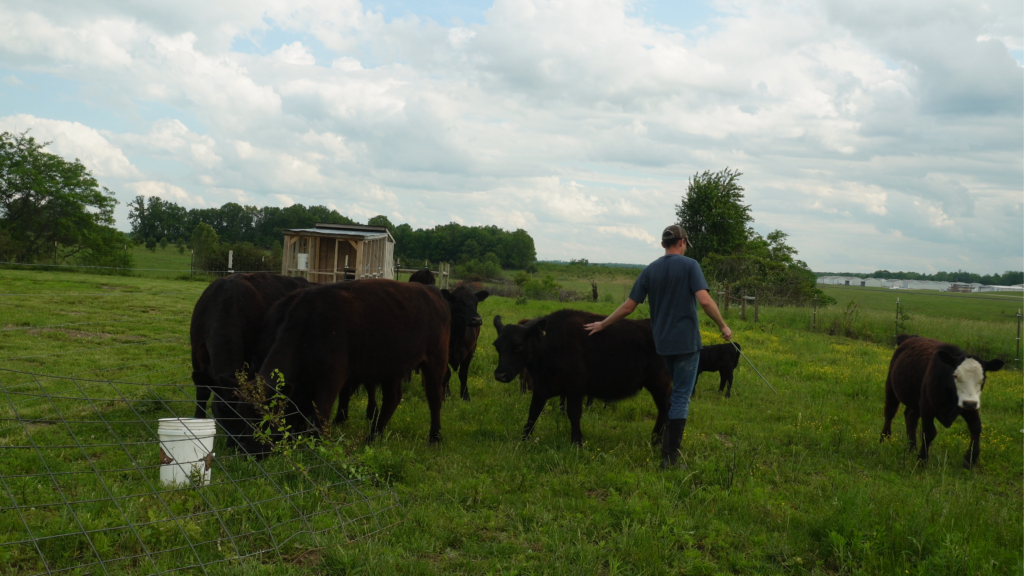
Trust comes from seeing the truth. Invite prospective customers to your farm for quick tours. Show them happy animals on pasture, not cramped pens. Keep groups small—maybe five people at a time—to chat and answer questions.
Film short videos of daily life. Post clips of feeding time or harvest days on your social media pages. These build proof of your care. Using search terms like “ethical meat sourcing” or “know your farmer” draw in viewers who care about where their food comes from.
Tours aren’t just show-and-tell. They spark sales on the spot. It’s always a good idea to have examples of your products for them to see, if you don’t have products ready to sell at that time. Get email information for email lists and follow up with occasional farm updates sharing more photos.
I know it may sound strange given all the vast amount of communication sources available today, but email is still one of the best marketing tools at your disposal. Dollar for dollar, email has one of the best returns on investment in terms of marketing. So, don’t overlook this tool because it keeps the connection alive, helps to grow your local customer base, and converts sales.
Pricing Strategy for Direct Sales Success
Small farms face higher costs, but locals will pay more for quality. Set prices that cover your costs, including labor and profit. Of course, you don’t want to price yourself out of the market but charging too little will cause burnout very quickly. Be honest with people and don’t feel guilty for charging what you must for your products. Some people will complain, but that’s just the nature of any kind of business and the nature of people. Some will complain even if you give it to them for free.
Understand that your ground beef might cost a few dollars more per pound than what they will find at the store or even one of those subscription-based meat services. That’s ok, and don’t apologize for it. You’re providing them with a locally raised, premium product. That is worth much more than something shipped halfway around the globe with a fancy label.
Several years ago, I was listening to a market gardener give a presentation about costs and pricing products. He explained that at the time he was selling leaf lettuce for $5 a head and a man in the audience spoke up and asked him how he lived with himself charging so much for lettuce. He replied, “pretty well.” He explained that quality comes with a price and that if you can’t stomach the price, maybe you should do something else. He was pretty blunt, but he got the point across.
Remember that you deal in value, not the cheapest deal. Studies from the USDA show people pay up to 20% extra for local, sustainable meat. Back this with labels on your story and practices.
Based on the success of subscription services like Butcher Box, it’s probably a good idea to ty bundle packages, like a family pack of mixed cuts for a bit of a discount. Adjust based on feedback.
I’ll throw in as well, that if you want to try something new, ask a few people if they’d be willing to try things out in exchange for feedback. This not only helps you get an idea about what works well but also builds customer loyalty. A good, loyal customer will help drive a lot of business to you. My first attempt at pastured poultry was to build on free samples and word of mouth. Before long, I had more business than I could keep up with on my own.
Section 2: Mastering Local Digital Presence and Visibility
I’ve already touched on the value of email, but a well-rounded digital presence is incredibly important. Online tools can help bring your farm to prospective customers without big budgets. The whole idea is to get found when someone types something like “local meat near me.”
Optimizing Your Digital Storefront for Local Search
Claim your spot on Google Business Profile right away. Add fresh photos of your animals, fields, and ready cuts. Update weekly with what’s in stock or market dates.
Link it to a simple website. List products with clear prices and pickup options. Make buying easy—add a contact form for custom orders. This setup boosts your rank for searches like “direct to consumer livestock farm” in your area.
Track what works. If views spike after a post, do more of that. Your digital storefront turns browsers into buyers fast.
Hyper-Local SEO for Farmers
If you really want to get technical, you take a trip down the SEO rabbit hole. Build a website that is optimized for your local area. Now, I’m definitely not an expert on all of this, but it can help generate organic traffic.
Leveraging Social Media for Community Engagement (Not Just Sales)
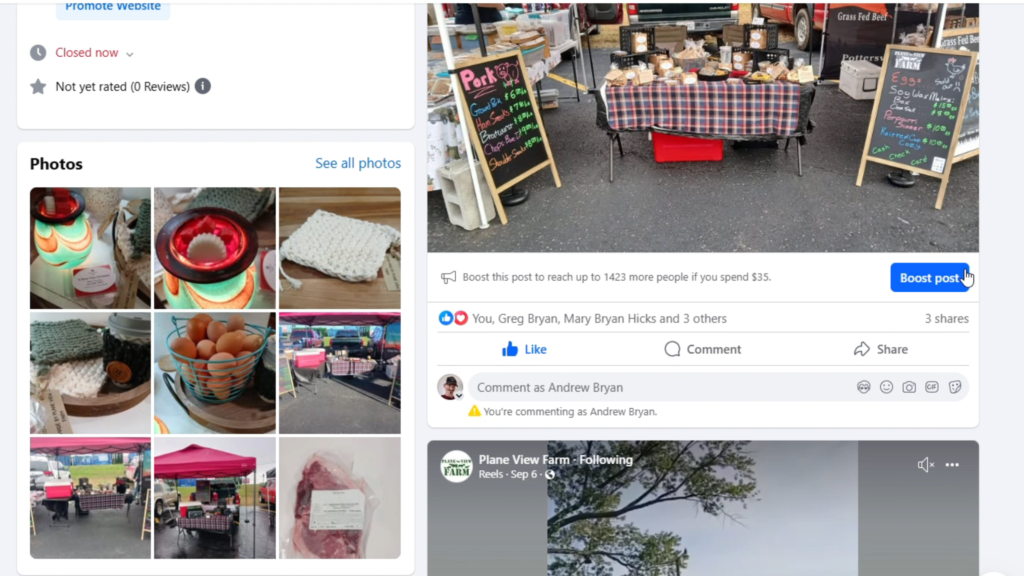
Instagram shines for visuals—post pics of golden-hour pastures or sizzling steak demos. Facebook works for events and chats. Share stories, not sales pitches. “Today, our cows enjoyed a rainy graze. Who’s ready for fresh milk?”
Use local tags like #YourTownFarmFresh or #EatLocal with the name of your town or county. They connect you to community feeds. Aim for three posts a week to stay top of mind.
I’ll admit that I’m not as good at this as I should be, but there are a lot of farms that are. Look around at what other farmers in your area are doing.
Section 3: Strategic In-Person Market Penetration
Face-to-face beats screens every time. Hit the ground running at local spots where buyers gather.
Dominating Farmers Markets and Pop-Up Events
If you set up at the local farmers market, or even the occasional festival, turn your booth into a welcome spot. Chat with everyone—ask about their cooking habits.
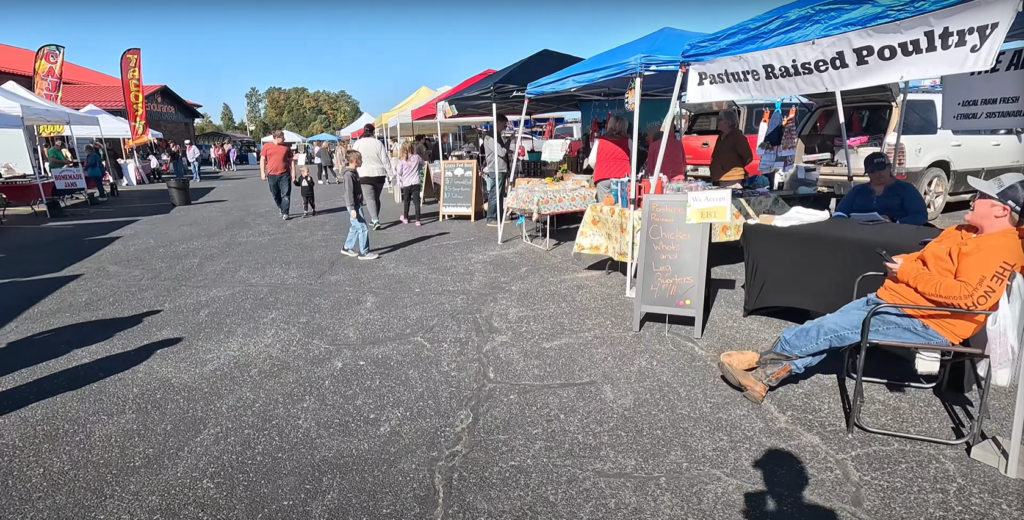
Offer tastes to seal the deal. Take a grill and give out samples. Give out business cards and capture emails with a sign-up sheet for newsletters. We have a custom made vinyl banner that we use to list our prices with a very large QR code that takes people straight to our website. Make it easy for them.
Run a market-only deal, like 10% off bulk buys. It pushes quick sales and hooks repeat visits.
Section 4: Building Repeat Business Through Relationship Marketing
One sale is great, but repeats build businesses. Nurture ties to keep money flowing.
Implementing a Robust Customer Retention System
Keeping customers costs less than finding new ones. Send thank-you notes right after buys. Track purchases to suggest add-ons. Let customers know when you’re running low on stock to encourage them to act sooner.
You can set up emails via tools like Mailchimp. A note ten days post-purchase: “How’s that roast? Time to refill your freezer?” It reminds without pushing.
Personal touches win. Remember names and preferences. This system turns buyers into loyal customers.
Launching and Managing a Successful CSA or Meat Share Program
They don’t always work in every area, but CSAs (Community Supported Agriculture) are a great way to lock in steady cash. Offer shares like a box of mixed meats at specific intervals. Let folks pick sizes—small for couples, large for families.
Bill upfront and communicate changes, like “Summer means more chicken.” Clear rules cut dropouts. This strategy also helps to make sure you don’t get stuck with some of the less desirable cuts because you’re able to build that all out in advance. Stats show CSAs stabilize income months ahead.
Promote online and at markets: “Join our CSA for first dibs on cuts.”
Personalization and Exceptional Customer Service
Go beyond basics. Keep records of your customers’ preferences. Some might like leaner cuts while others want a little more fat. Slip in a handwritten card or note with each box.
Handle issues fast. If a cut’s off, replace it free and add a bonus. Quality service is getting harder and harder to find. Personal care keeps people coming back.
Section 5: Scaling Through Community Integration
Grow by weaving into local life. Events and partners lift you higher.
Hosting Farm-to-Table Dinners and Educational Workshops
Turn your land into a gathering spot. Host dinners with local cooks using your meat. Charge $50 per plate for a meal at the farm.
Workshops on grilling or animal care draw crowds. These build bonds and stories for people to post on social media.
Events spark content for you as well—photos of smiling eaters. They attract more high-spend customers.
Developing a Referral Network
Word spreads fast in towns. Reward referrals: “Bring a friend, get a free pound of sausage.” Track with simple cards.
Share success tales: “Thanks to referrals, we’re growing!” It motivates shares. This network powers organic growth for your local farm products.
Conclusion: Sustaining Growth in the Local Food Economy
One last piece of advice I would give is, don’t think you have to do all of these things to be successful, especially not all at once. I encourage you to commit to one fresh idea every month. If it works for you, great! If it doesn’t, back up and try something else. The whole idea is to find out what works best for you.